
Field Notes
Straight talk on Texas trees
Practical, credentialed notes from the field, on the diseases, risks, and care decisions that actually matter for Central Texas trees.
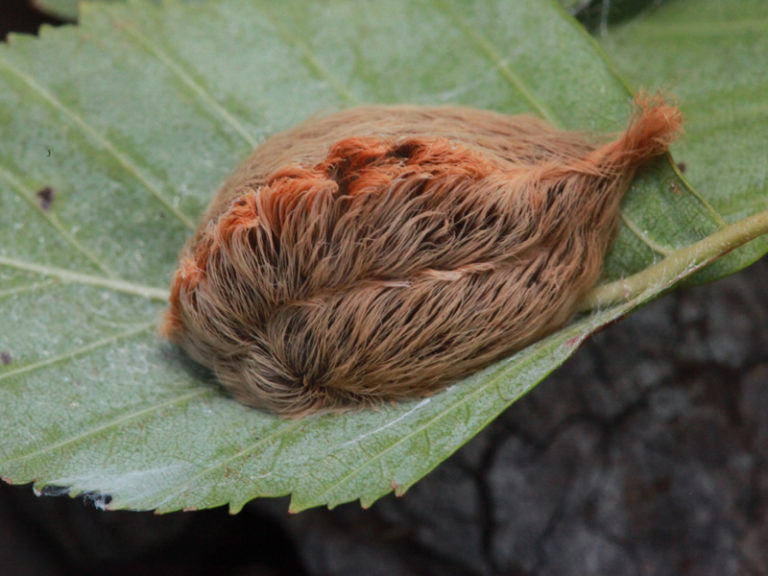
Puss caterpillar (asp): soft fur, a serious sting
Hidden venomous spines make this caterpillar a hands-off find. How to recognize it, what to do after a sting, and when to assess the trees around your home.
Read the guide →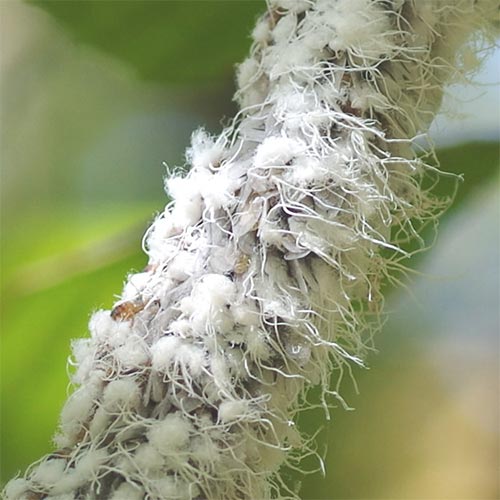
Woolly aphids: white fuzz, sticky leaves, and when to act
Cottony insects, honeydew, and black sooty mold. How to identify woolly aphids, which trees host them, and when a nuisance needs treatment.
Read the guide →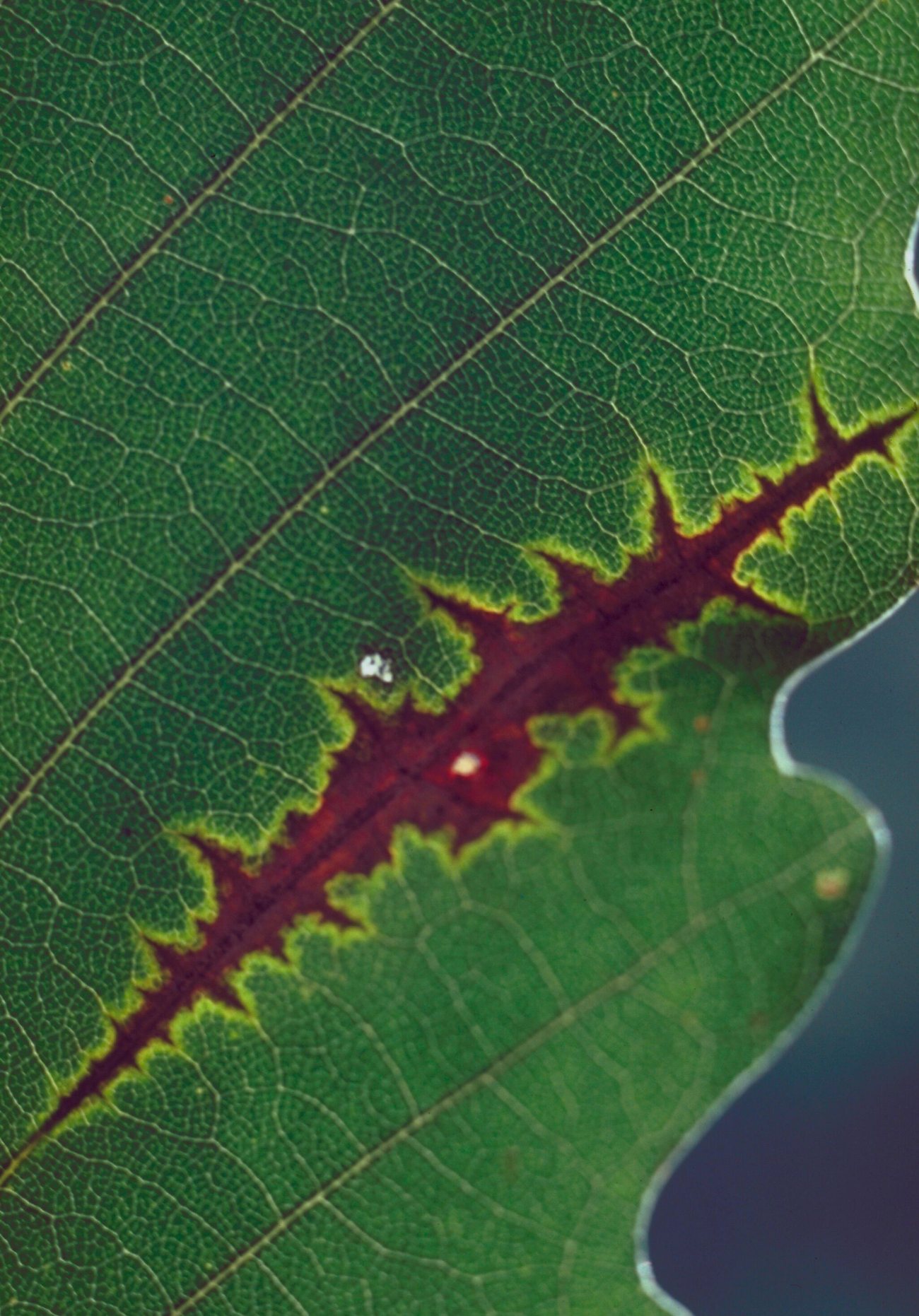
Anthracnose: brown along the veins, not frost
When a sycamore or oak leafs out brown and ragged after a wet spring, it usually is not frost and not oak wilt. The vein-following tell, the four phases, and why the tree almost always re-leafs.
Read the guide →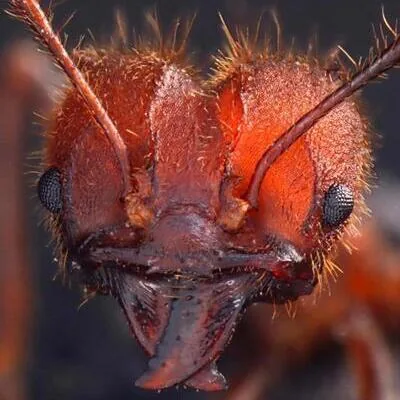
Texas leaf-cutting ants: the fungus farmers stripping your garden
They cut your leaves to farm a fungus, not to eat them, which is why fire ant bait does nothing. How a colony strips a young tree overnight, and how to treat the nest instead of the trail.
Read the guide →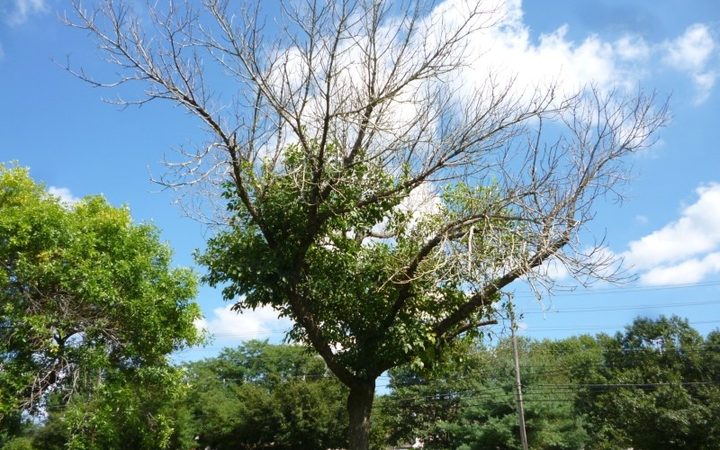
Emerald ash borer: the beetle almost at Austin's door
A metallic-green beetle that kills every untreated ash it reaches is now confirmed within a couple hours of Austin. How to spot it, whether your ash can be saved, and the treatment window.
Read the guide →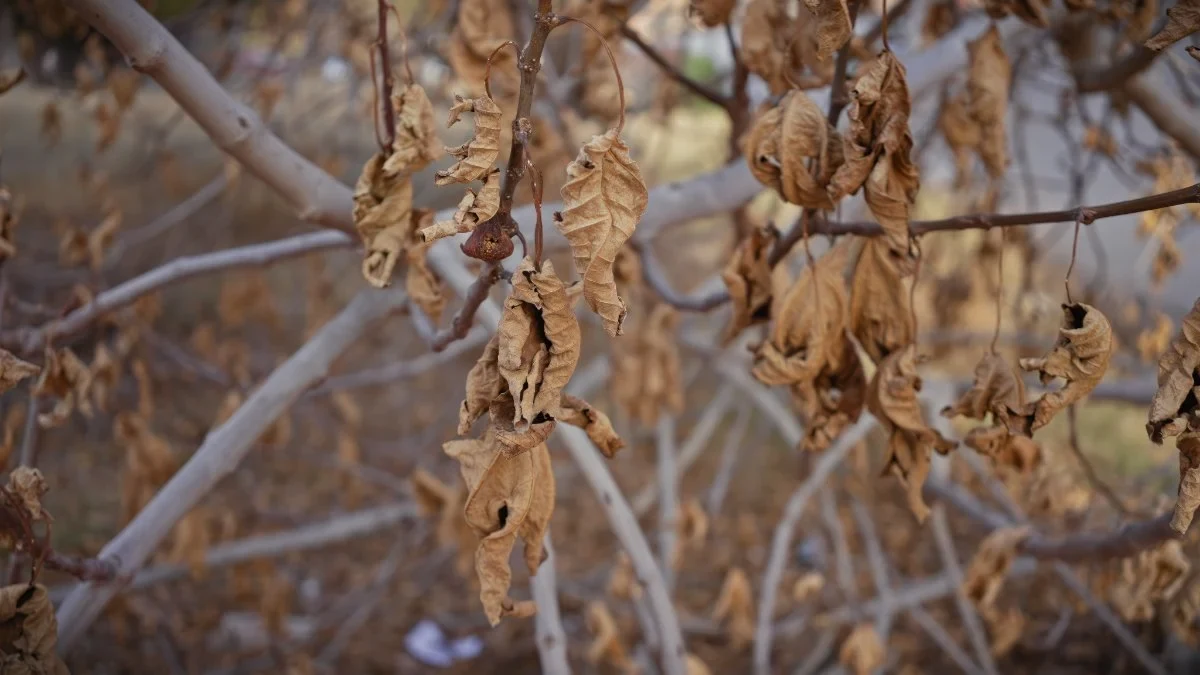
Summer heat and drought stress: brown leaves that usually aren't dying
Scorched edges and mid-summer leaf drop are usually a tree rationing water, not dying. The signs, how to deep-water the right way, and when it's something worse.
Read the guide →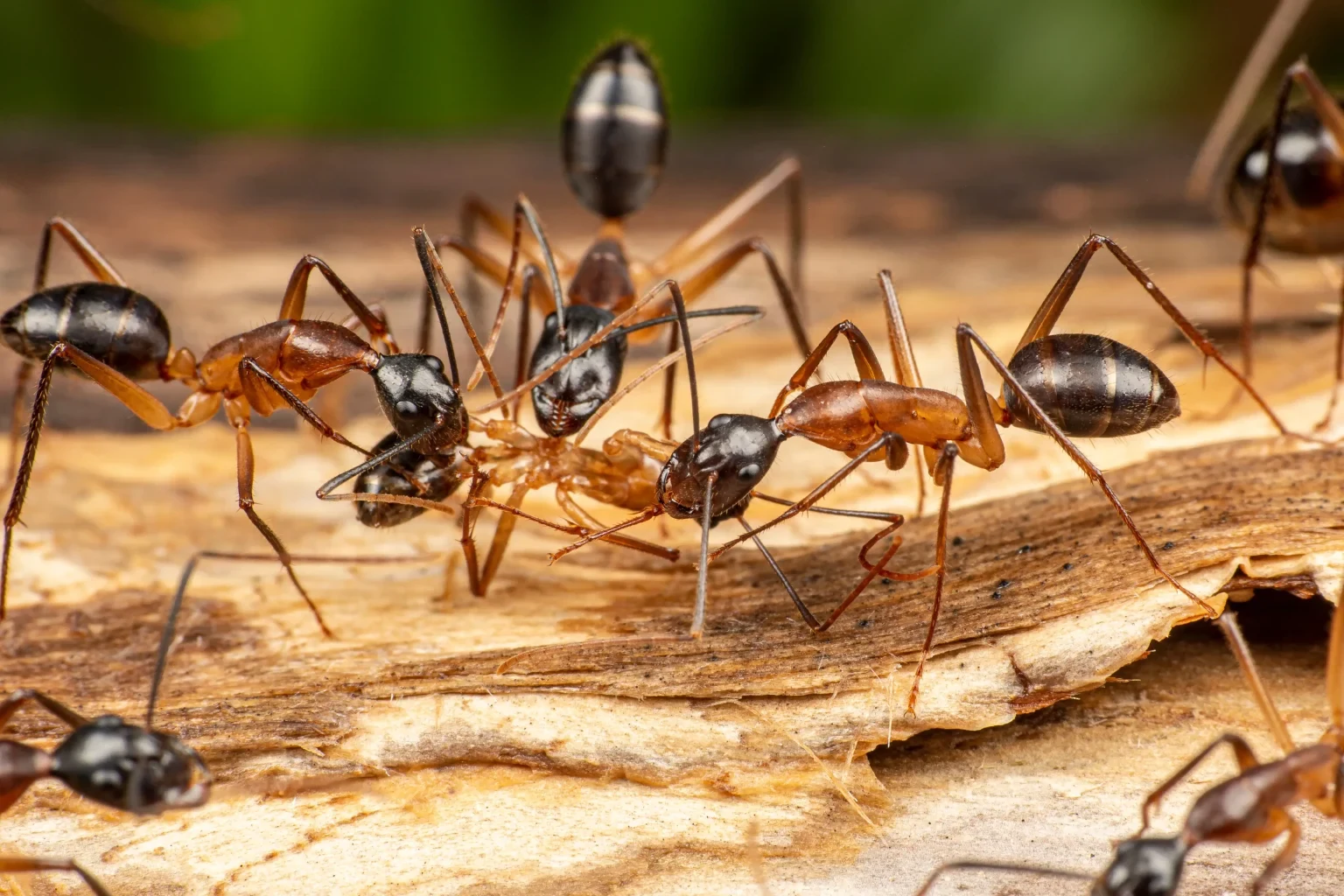
Carpenter ants: ant or termite, and the moisture behind both
Telling a carpenter ant from a termite decides the whole fix. Why the ant is really a moisture signal, and what a colony means when it is in a tree.
Read the guide →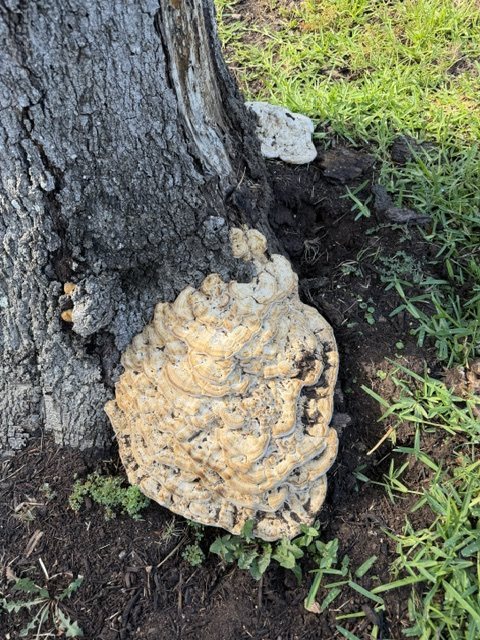
Conks and bracket fungi: when a mushroom means decay
A conk at the base of a tree means the wood inside is already rotting. How to read it, why a full green canopy can still fail, and what to do.
Read the guide →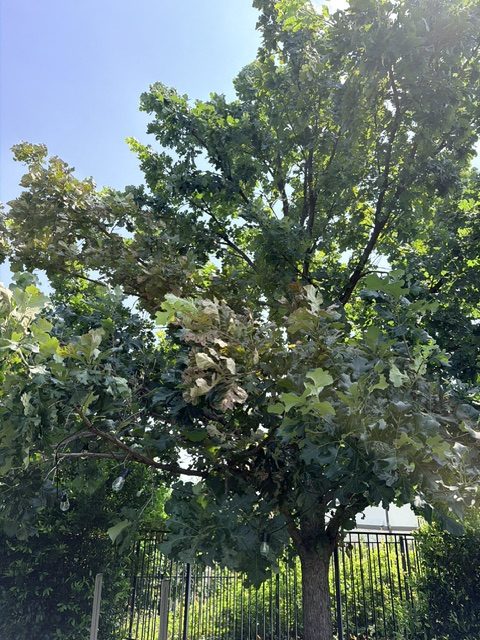
Bacterial leaf scorch: the slow burn in your oak
A xylem bacterium that browns oak leaves from the edges and thins the crown over years. The halo-band tell, the oak wilt look-alike trap, and what actually helps.
Read the guide →
Oak Wilt in Central Texas: the signs, the spread, and what to do
The most destructive tree disease in the region, how to recognize it early, how it travels, and the moves that actually save the trees around it.
Read the guide →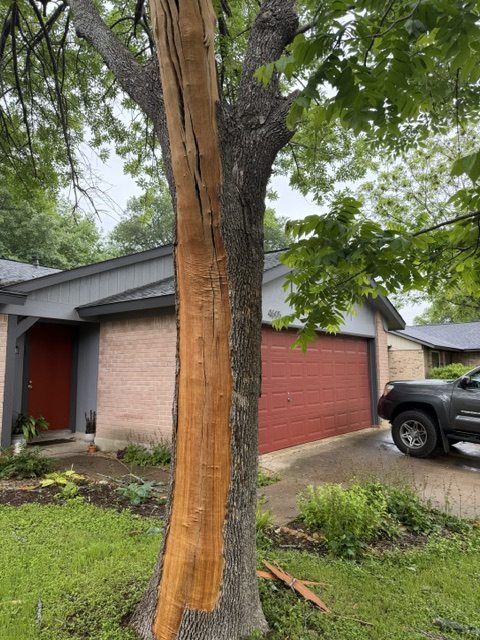
Tree struck by lightning: what to do next
How to tell a lightning strike from storm wind, whether the tree can be saved, and the safe first steps.
Read the guide →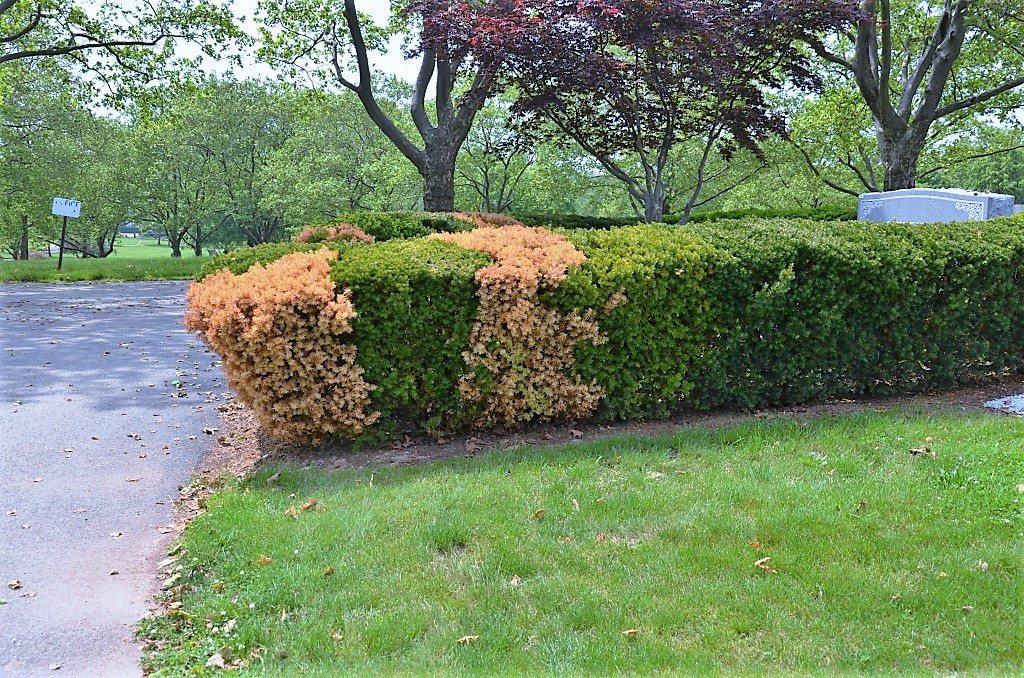
Phytophthora root rot: the wet-feet disease
A soilborne water mold that rots roots in poorly drained soil. The Central Texas hosts, the drought look-alike trap, and how to manage it.
Read the guide →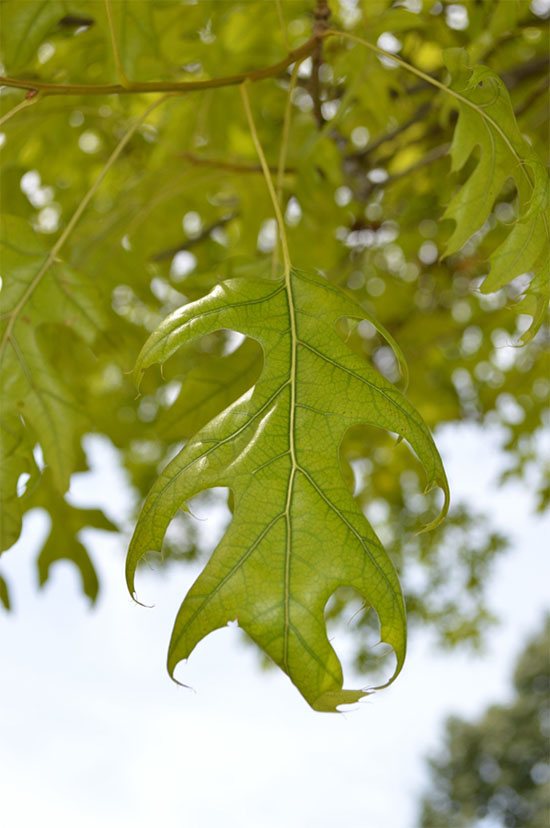
Chlorosis: yellow leaves with green veins
When leaves yellow but the veins stay green, it is usually high-pH soil locking up iron. What it is and how to fix it.
Read the guide →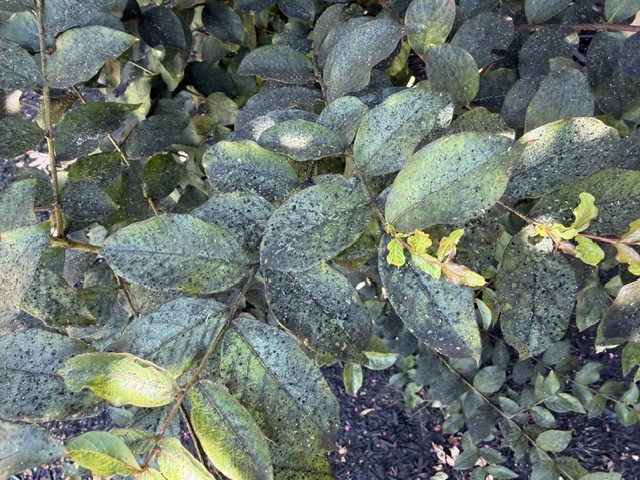
Crepe myrtle aphids, bark scale, and sooty mold
Sticky leaves and black bark come from aphids and bark scale. How to tell them apart, treat without poisoning the bees, and spot the harmless bark lice people mistake for a pest.
Read the guide →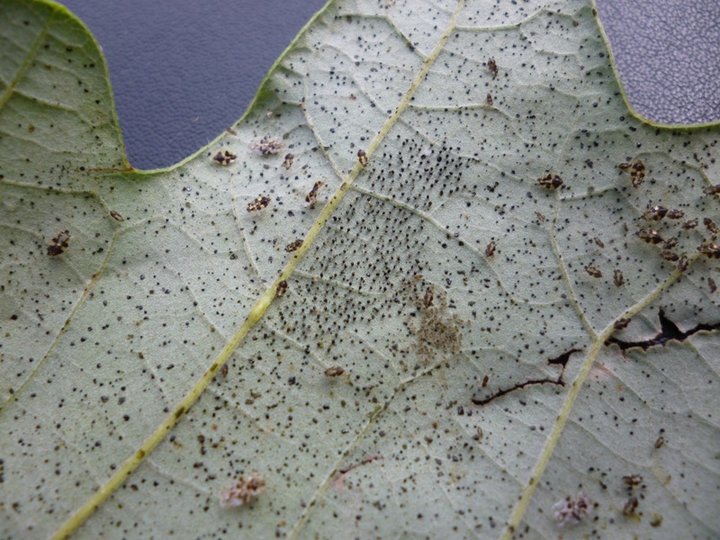
Lace bugs: speckled leaves that look worse than they are
Pale, sandblasted oak leaves usually mean lace bugs feeding underneath, not disease. How to know for sure, and why it is mostly cosmetic on a healthy tree.
Read the guide →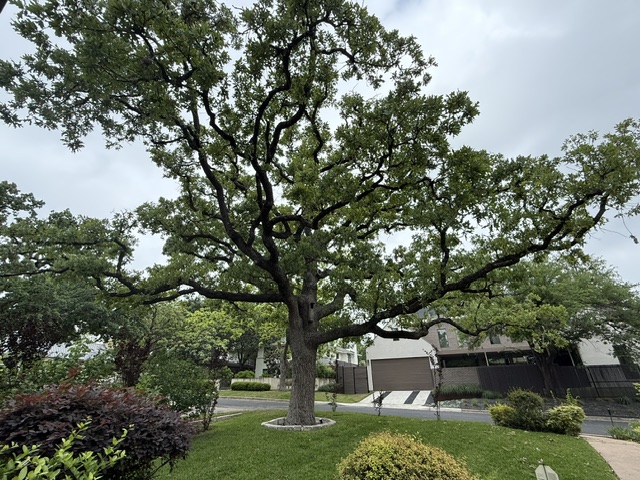
Plant health care: why trees decline and how to stop it
Trees rarely die from one thing. The spiral of decline, and the proactive, year-round care that breaks it.
Read the guide →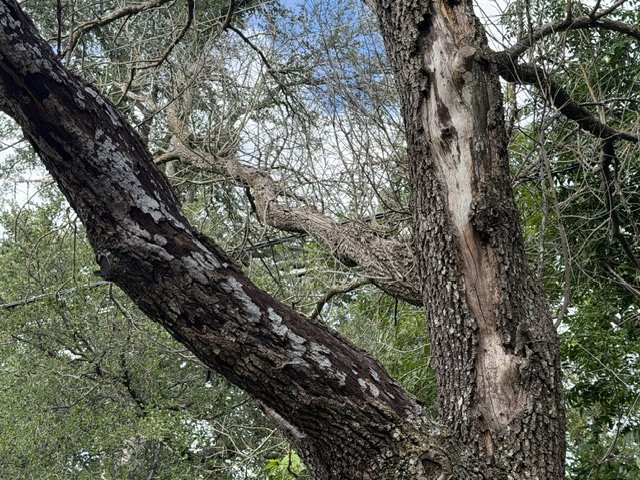
Hypoxylon canker: the quiet killer of stressed oaks
A secondary fungus that only shows up after a tree is already in trouble, and why it is almost always a sign of something else.
Read the guide →
Reading a tree for risk: what a TRAQ assessment actually looks at
Lean, cracks, cavities, root issues, and targets, a plain-language look at how a qualified arborist rates the risk a tree poses.
Read the guide →