Texas • Arboriculture & Tree Risk

Sean Hager

ISA Certified Arborist delivering credentialed tree risk assessment, oak wilt management, and prescription pruning across Texas. Expertise you can put in writing, and stand behind.

ISA Certified Arborist TX‑5089A Tree Risk Assessment Qualified Texas Oak Wilt Qualified Wildfire Risk Reduction Qualified Prescription Pruning Qualified

Recent Work

Proof, not promises

Credentials matter, and so does the work. Three documented examples of removal and ongoing tree care.

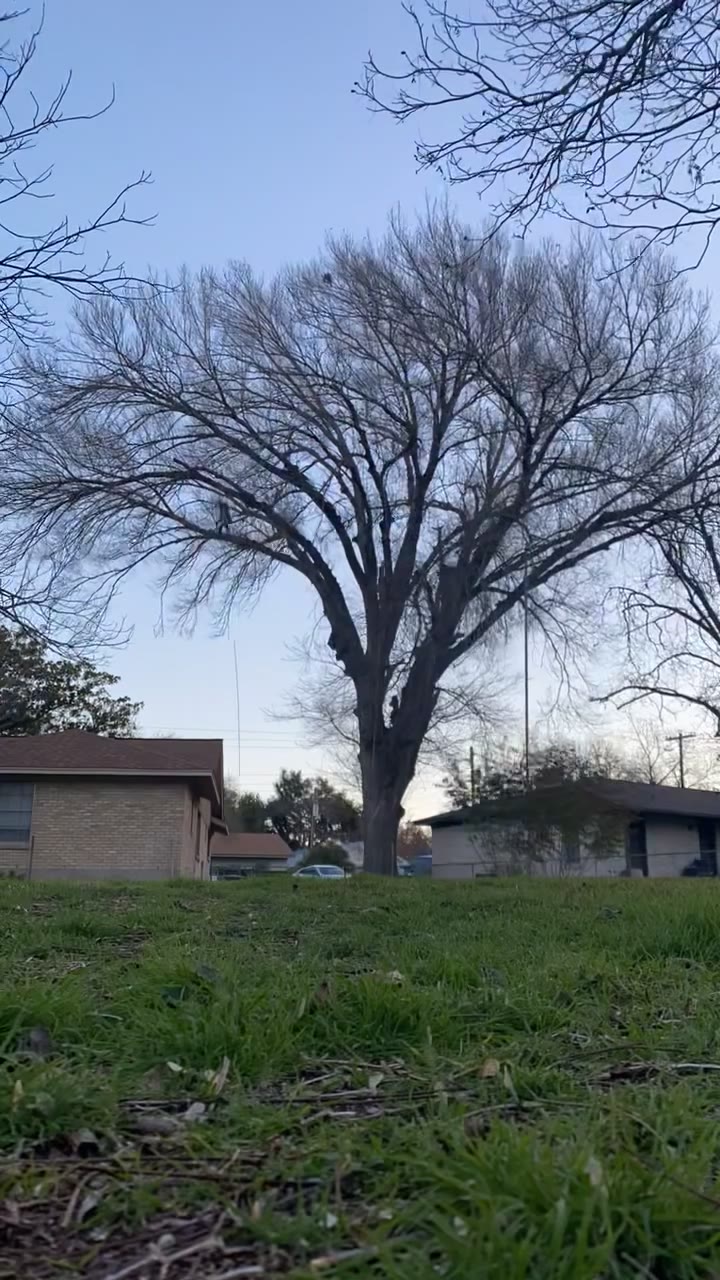
Mature red oak beside a home before sectional removal

Controlled removal beside a home

Problem / care goal
A mature red oak needed removal beside a house.
Finding
The tree stood close to structures, making controlled handling essential.
Recommendation / outcome
The tree was rigged and lowered in sections, clearing it down to the trunk.
View the removal time-lapse
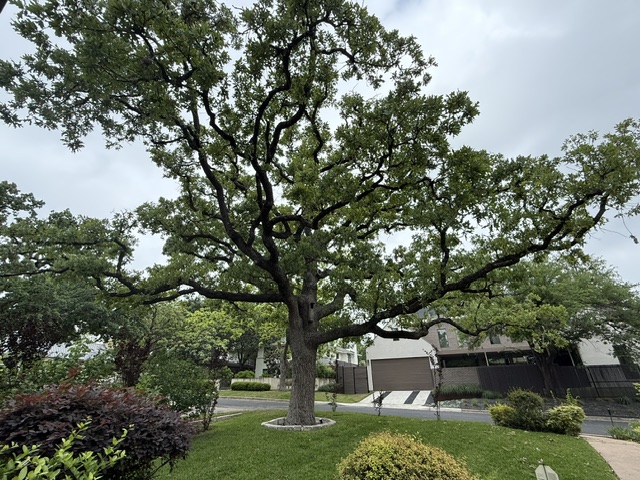
Post oak with a full green canopy in a residential landscape

Supporting a post oak through construction

Problem / care goal
Nearby construction created a stress concern for an established post oak.
Finding
The documented follow-up shows a full, green canopy after treatment.
Recommendation / outcome
A tree growth regulator was applied to help carry the tree through construction stress.
Explore plant health care
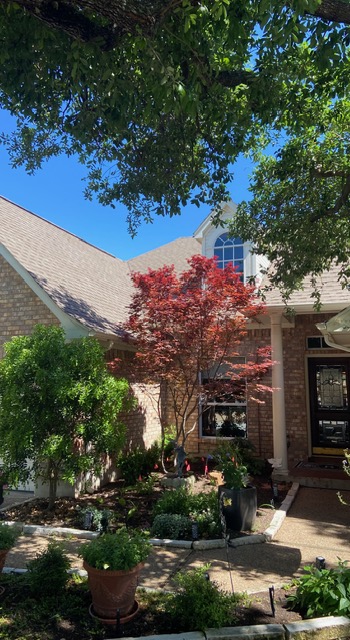
Red-leaved Japanese maple in a managed courtyard landscape

Ongoing care for a Japanese maple

Problem / care goal
The care goal was to maintain the vigor and color of a landscape Japanese maple.
Finding
The field photograph documents vigorous growth and rich foliage color.
Recommendation / outcome
The tree was maintained under an ongoing plant health care program.
Explore plant health care
Watch the red oak removal time-lapse

Silent time-lapse: the red oak is removed in controlled sections, leaving the trunk. The project summary above describes the work.

The Credentials

Five ISA qualifications, one accountable name

Verified tree-care knowledge, with additional qualifications in risk assessment, oak wilt, wildfire risk reduction, and prescription pruning.

Arborist vs. ISA Certified Arborist

Arborist

A professional who works in planting, caring for, and maintaining trees. The title alone does not establish ISA certification; experience and training should be checked individually.

ISA Certified Arborist®

Qualifies through at least three years of full-time arboriculture experience, or an approved education-and-experience pathway. Candidates must pass a comprehensive exam covering subjects including tree biology, diagnosis, pruning, and safe work practices, and agree to ISA's Code of Ethics.

The credential is renewed every three years through 30 continuing education units and the renewal fee, or by retaking and passing the exam.

Certification verifies knowledge; it is not a license or a guarantee of workmanship. Read ISA's certification requirements (PDF).

ISA Certified Arborist official seal ISA Tree Risk Assessment Qualification official seal Texas Oak Wilt Qualified official seal Southern Wildfire Risk Reduction Qualification official seal Prescription Pruning Qualification, ISA, official seal
ISA
Certified Arborist
TX-5089A
TRAQ
ISA Tree Risk Assessment Qualified
Liability & insurance grade
TOWQ
ISA Texas Oak Wilt Qualified
TOWQ-685
WRRQ
ISA Wildfire Risk Reduction Qualified Arborist
TXWWRQ-200
PPQ
ISA Prescription Pruning Qualified
Objectives-based prescription pruning

Don't take my word for it. Verify my certification in the ISA directory

Additional Training

Post Graduate Program in Generative AI for Business Applications
McCombs School of Business, The University of Texas at Austin · August 2026
Verify

What I Do

Specialized care, not generic tree work

The work where credentials actually matter. Risk, disease, and the decisions that protect property, people, and the canopy.

Documented evaluations of tree condition and failure potential, with a clear finding and a recommendation you can act on.
Read the full tree risk assessment guide →
Assessment, containment, and treatment planning. Suspected oak wilt is escalated to certified diagnostics and lab confirmation.
Read the full oak wilt guide →
Clear objectives for each tree: structural training, clearance, or restoration. Prescription pruning follows ISA Best Management Practices and removes less living tissue.
Defensible-space and fuel-load assessment, with prioritized recommendations that balance fire safety and a healthy canopy.

A formal report, not a verbal opinion

Site conditions, a tree inventory, condition and risk ratings, and clear recommendations, documented and signed under my ISA credentials.

A useful assessment explains what was inspected, the methods used, the findings, and recommended next steps. For tree risk work, the scope, assessment time frame, potential targets, and limitations give those findings context.

Why you may need one

  • Permits. Documentation that may be required for work on protected trees, depending on local rules.
  • Construction. Tree protection recommendations to help builders limit damage during nearby work.
  • Real estate & insurance. Documented tree conditions and risk concerns to inform property and coverage decisions.
  • Disputes. Professional observations and findings for discussions about tree damage or neighboring properties.
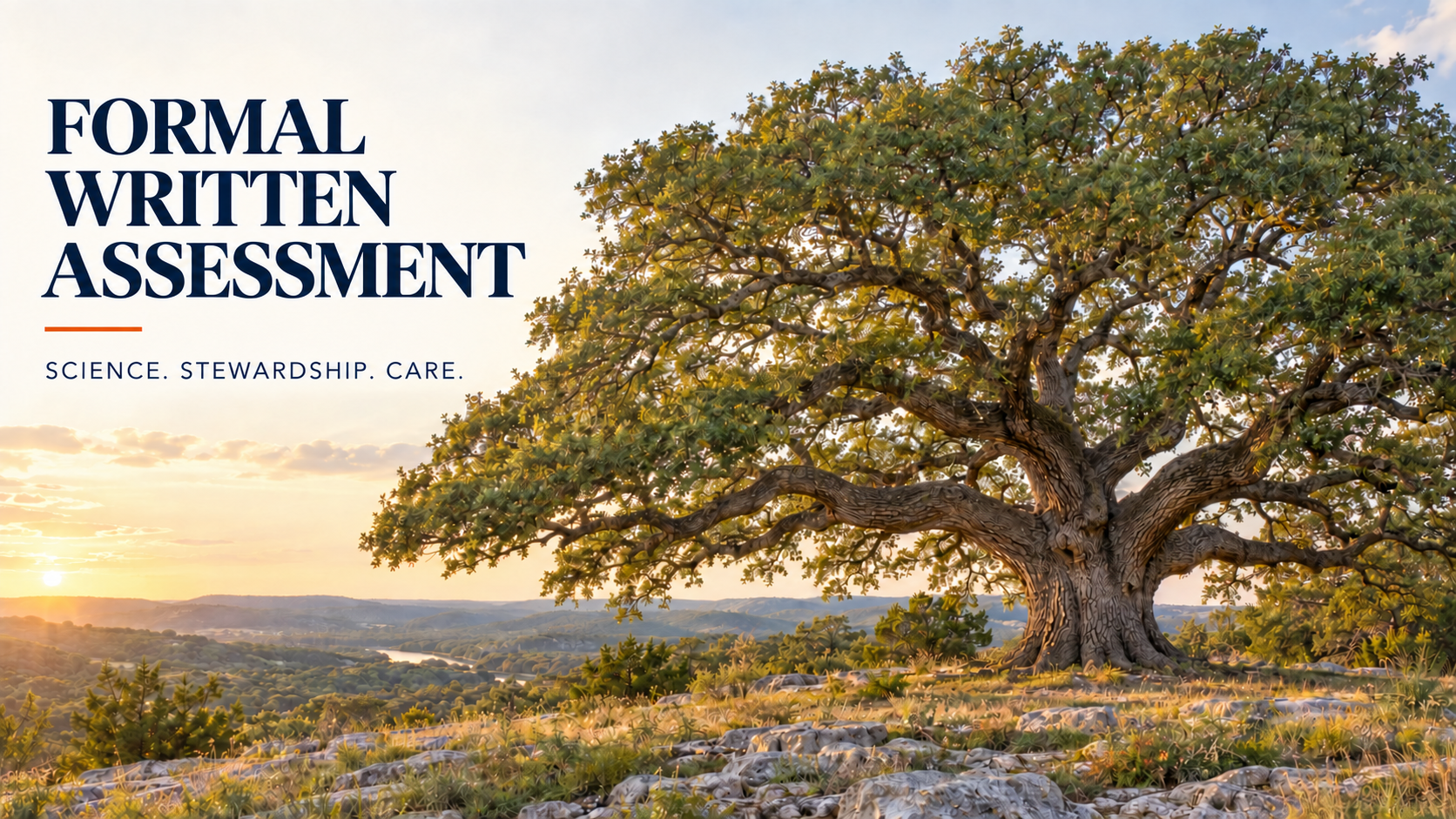
Illustrated Texas live oak at sunset with the lettering: Formal Written Assessment. Science. Stewardship. Care.
Illustrative report-cover artwork

A whole tree.
A living system.

From the soil to the crown, every part has a job. Explore the connections behind thoughtful tree care.

Roots: Absorption + anchorageIllustrated mature oak with a broad leafy crown, heavy spreading limbs, a textured trunk, and roots visible below ground. The roots stage is highlighted. Educational artwork, not a photograph or a diagram to scale.
Absorption + anchorage01 / 05

Roots

Health starts below the surface.

Fine roots absorb water and dissolved minerals. Larger roots anchor the tree. Much of this living network spreads through the upper soil, often beyond the canopy.

What an arborist looks for

Soil compaction, buried root flares, and changes in drainage can affect the whole tree.

Read all five stages

Roots: Health starts below the surface.

Fine roots absorb water and dissolved minerals. Larger roots anchor the tree. Much of this living network spreads through the upper soil, often beyond the canopy.

What an arborist looks for: Soil compaction, buried root flares, and changes in drainage can affect the whole tree.

Trunk: A living transport system.

Water and dissolved minerals move upward through xylem. Sugars made in the leaves travel through phloem to growing tissues and storage sites, including roots.

What an arborist looks for: Bark damage can interrupt living tissue. The outer bark protects the transport system beneath it.

Branches: Structure carries the crown.

Branches support leaves and distribute loads from gravity and wind. Their attachments, proportions, and condition matter as much as the shape of the crown.

What an arborist looks for: Cracks, dead limbs, and weak attachments deserve a closer look. Pruning decisions start with the structure.

Canopy: Sunlight becomes stored energy.

Leaves use light, water, and carbon dioxide to make sugars through photosynthesis. Water leaving the leaves through transpiration helps pull more water up from the roots.

What an arborist looks for: Changes in leaf color, density, or timing can be clues. They need context from the tree and its site.

Whole tree: One tree. Connected systems.

Roots, trunk, branches, and leaves depend on one another. A change in the soil can show up in the canopy, and lost leaf area can affect the energy available to roots.

What an arborist looks for: A green canopy alone does not establish structural safety. Tree health and tree risk need their own assessment.

Plant Health Care

Keep trees healthy, not just standing

Proactive care built around the tree, species, and site.

Deep Root Fertilization

Targeted nutrients are delivered into the root zone to address deficiencies that can limit tree health. An assessment of the tree and soil helps determine whether fertilization is appropriate, with soil testing guiding nutrient selection when needed. For trees in challenging urban sites, nutrition fits into a broader plan that also considers watering, mulch, and soil compaction.

Tree Growth Regulators

A soil-applied growth regulator slows new shoot growth, helping manage canopy expansion and potentially reduce pruning needs. It can be a useful part of a care plan for selected mature or stressed trees. Treatment is matched to the species, size, and site conditions, with follow-up monitoring to evaluate the tree’s response alongside its ongoing water and soil-care needs.

Explore plant health care

Why tree health matters

Proactive care helps preserve the shade, beauty, and environmental benefits that established trees bring to your property.

Plant health care combines regular monitoring, preventive care, and treatments selected for the tree and site. Soil conditions, irrigation, mulch, and nearby lawn treatments all affect tree vitality, so care considers the whole landscape.

Shade & property value
Healthy canopies cool outdoor spaces, can reduce cooling costs, and contribute to an attractive landscape.
Air & carbon
Trees help filter airborne particles and store carbon as they grow.
Water & soil
Trees and the soil around them help slow and filter rainfall, supporting water management.
Everyday well-being
Green surroundings create welcoming places to spend time outdoors and can help reduce stress.

Tree health and structural safety are related, but a green canopy alone does not establish that a tree is safe. Discolored leaves, dead branches, or early leaf drop warrant a closer look.

Request an on-site assessment

Austin & Central Texas

City permitting & development services

I help property owners and project teams prepare and file tree-related applications with the City of Austin and other Central Texas municipalities.

City permitting

Application preparation, supporting arborist documentation, and filing with the city. In Austin, this can include a Tree Ordinance Review Application (TORA), depending on the scope of work.

Tree removal permits

Permit applications for proposed protected and heritage tree removals, with documentation of tree condition and the reason for removal. Support includes dead, diseased, or imminent-hazard cases and variance requests where applicable.

Development services

Tree-related paperwork and filing for residential construction, commercial development, and multifamily site plans. Services include tree surveys, preservation and critical root zone protection plans, and mitigation documentation.

Requirements depend on the property, jurisdiction, and proposed work. Permit approval rests with the city.

Austin residential tree-permit guidance

Austin commercial & multifamily tree review

Discuss your property

Interactive

Tree Risk Self-Check

Answer five quick questions about the tree you're worried about. This is a starting point, not a diagnosis, but it will tell you how soon you should get a qualified set of eyes on it.

Five quick questions

Toggle Yes or No for each.

Awaiting answers

Tell me about the tree

As you answer, I'll gauge how urgent a professional look is, based on the same signals a TRAQ assessment screens for.

Request a Consultation

This self-check is educational and does not assess, diagnose, or certify any tree. Tree risk and tree disease require an on-site evaluation by a qualified arborist. Suspected oak wilt or other reportable conditions should be confirmed through certified diagnostics.

Oak Country

This canopy is worth protecting. I help you keep it standing, safely and by the book.

About Sean

Your arborist. Your report. My name on it.

I'm an ISA Certified Arborist based in Texas, holding five of the industry's most demanding qualifications, including Tree Risk Assessment (TRAQ) and Texas Oak Wilt. That combination means I can do more than cut a tree: I can evaluate it, document it, and stand behind the recommendation.

Sean HagerISA Certified Arborist • TX-5089A

What Clients Say

Rated 5.0 on Google

Excerpts from verified Google reviews, quoted word for word. Read every full review on the profile itself.

5.0 15 five-star Google reviews

Sean tells you straight whether a tree needs to come down or can be saved, and he doesn't push removals to pad the bill. That kind of honesty is rare in this trade. My go-to tree company, no question.

Cayden Google review

Our neighborhood has had oak wilt moving through it and I was scared we'd lose our big live oaks. Sean assessed all of them, set up a treatment and pruning plan timed for the right season, and explained everything in plain English.

Logan E. Google review

Professional, on time, fair priced, and they actually know trees. Sean and the crew earned a customer for life. Five stars.

Paul M. Google review

Get In Touch

Have a tree worth a second opinion?

Tell me what you're dealing with. A risk concern, a possible disease, or a job that needs a credentialed sign-off, and I'll tell you straight whether it needs a specialist.

ServingCentral Texas

Goes straight to Sean. Usually a same-day reply.